Natural ginger benefits for your daily well-being, available within reach.
You know, small things
change your life.
We transform fresh ginger roots into effective preparations
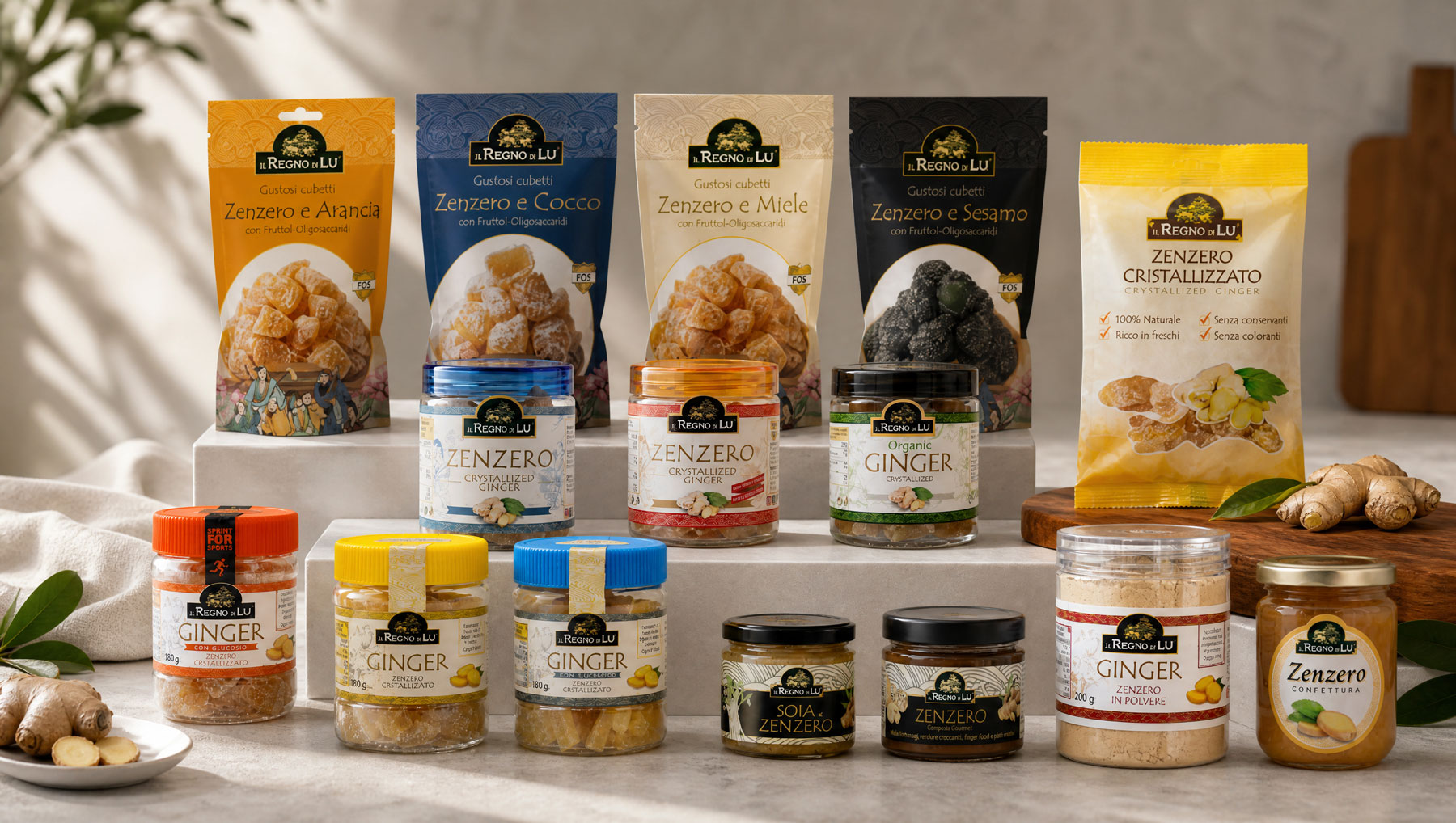
Regno di LU's® products are designed for those who love ginger in all its forms and want to bring the age-old benefits of this extraordinary rhizome into their daily lives.
Each preparation is crafted to highlight ginger's natural properties and the unique taste of nature.
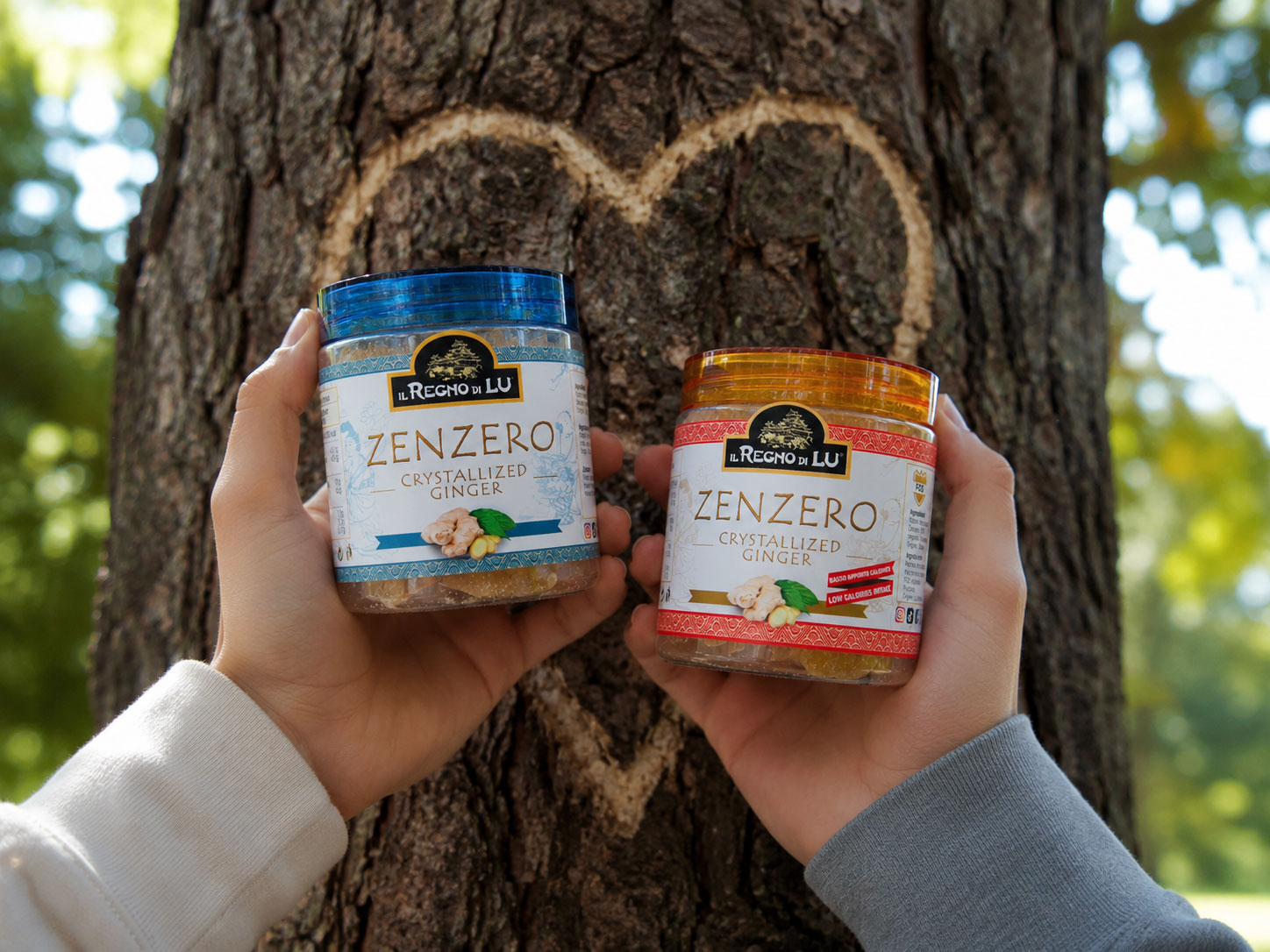
A love that began 15 years ago
We fell in love with ginger, and we haven’t stopped thinking about it since. We work only with ginger.
We started with just one variety, and today we offer different products, distributed mainly through large-scale retail and numerous commercial outlets.
Our ADV Campaign
Why is ginger so healthy?
Ginger is recognized for the following beneficial effects in everyday life.
- Digestion Aid
- Reduces Symptoms on Nausea
- Helps fight symptoms of cold and flu
- Healing Comfort
Our Products
Famous
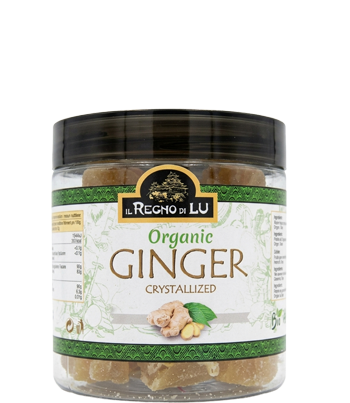
Bio
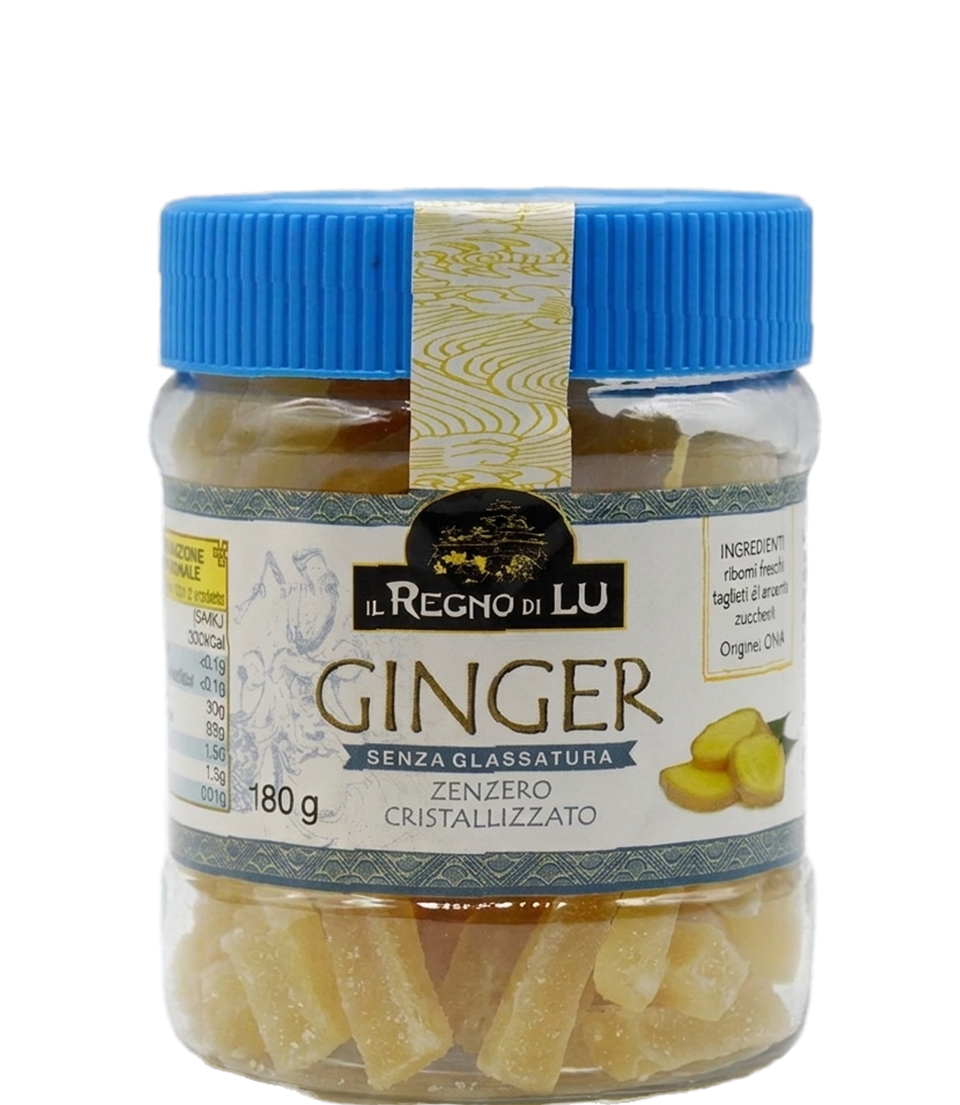
Classic Blue Cap
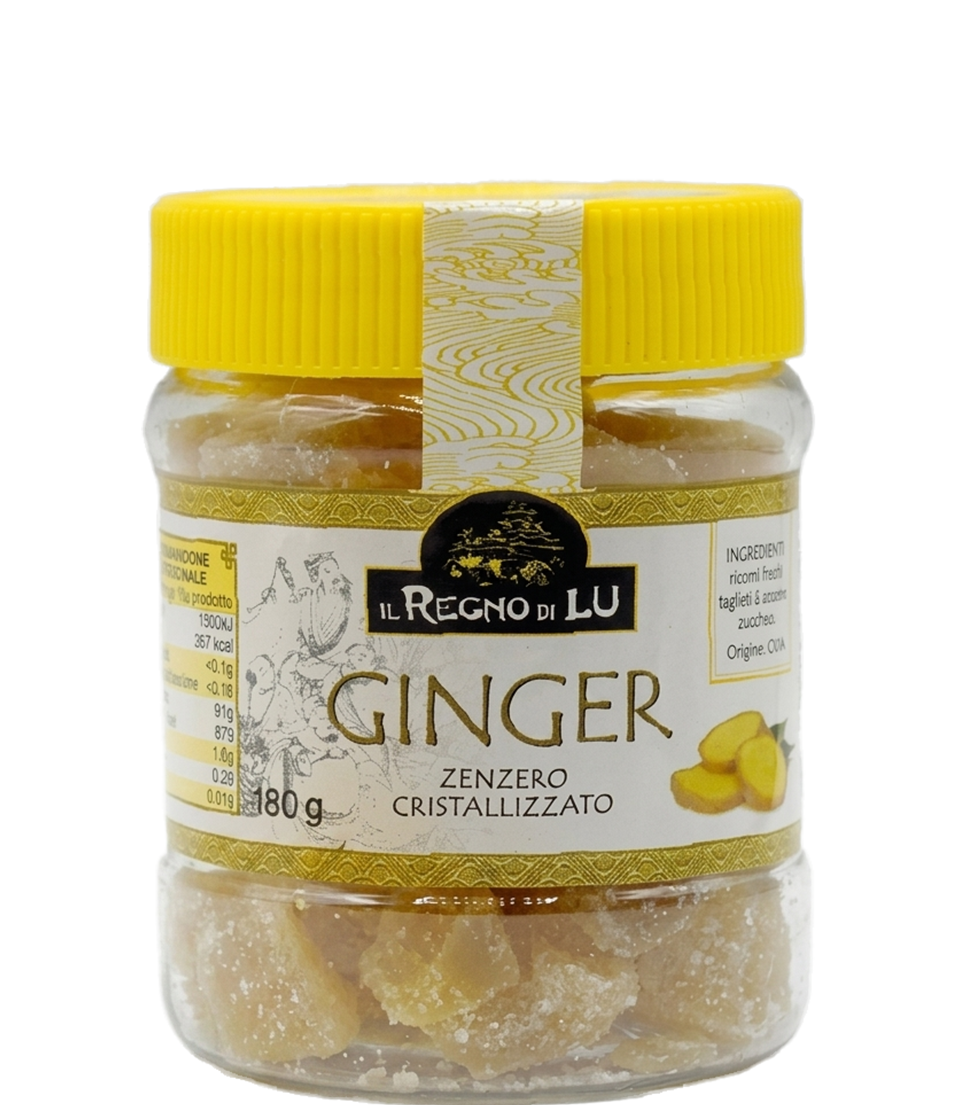
Classic Yellow Cap
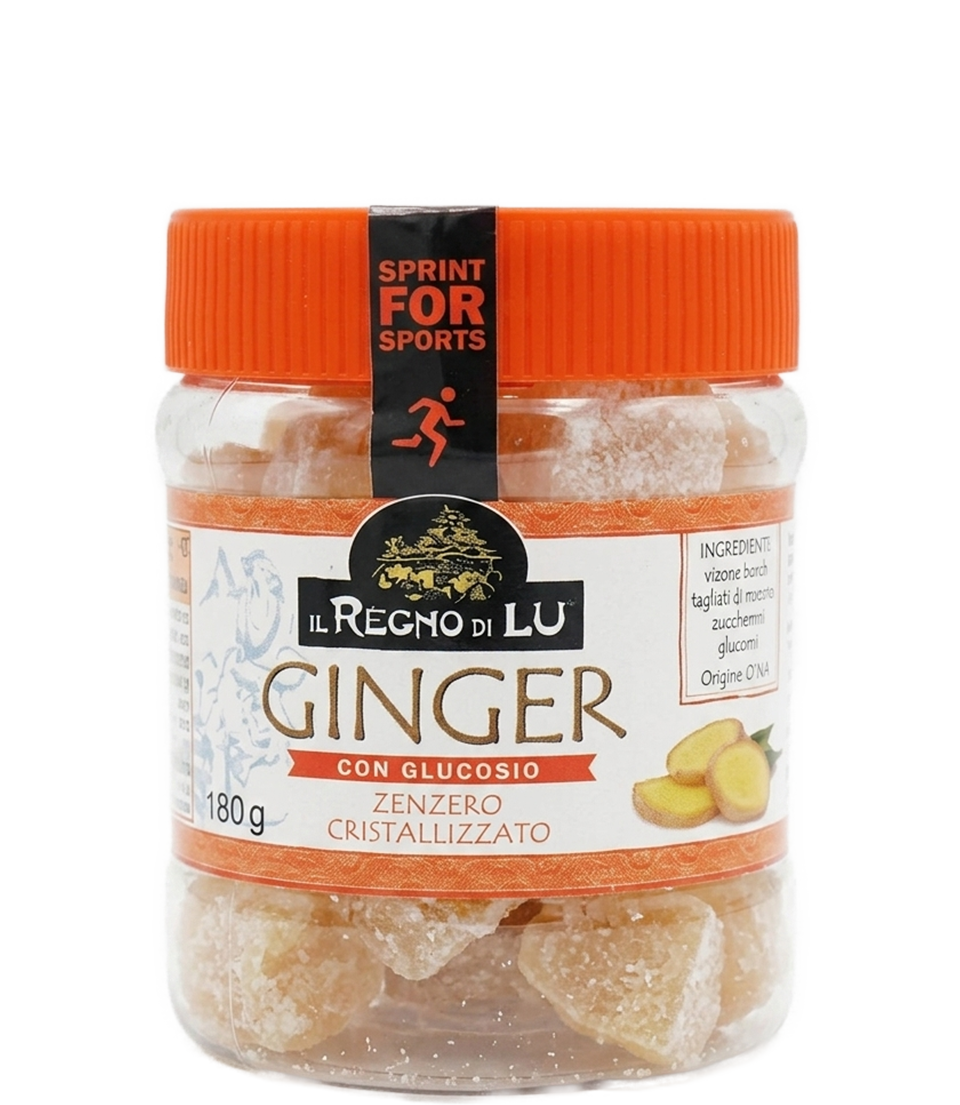
Young
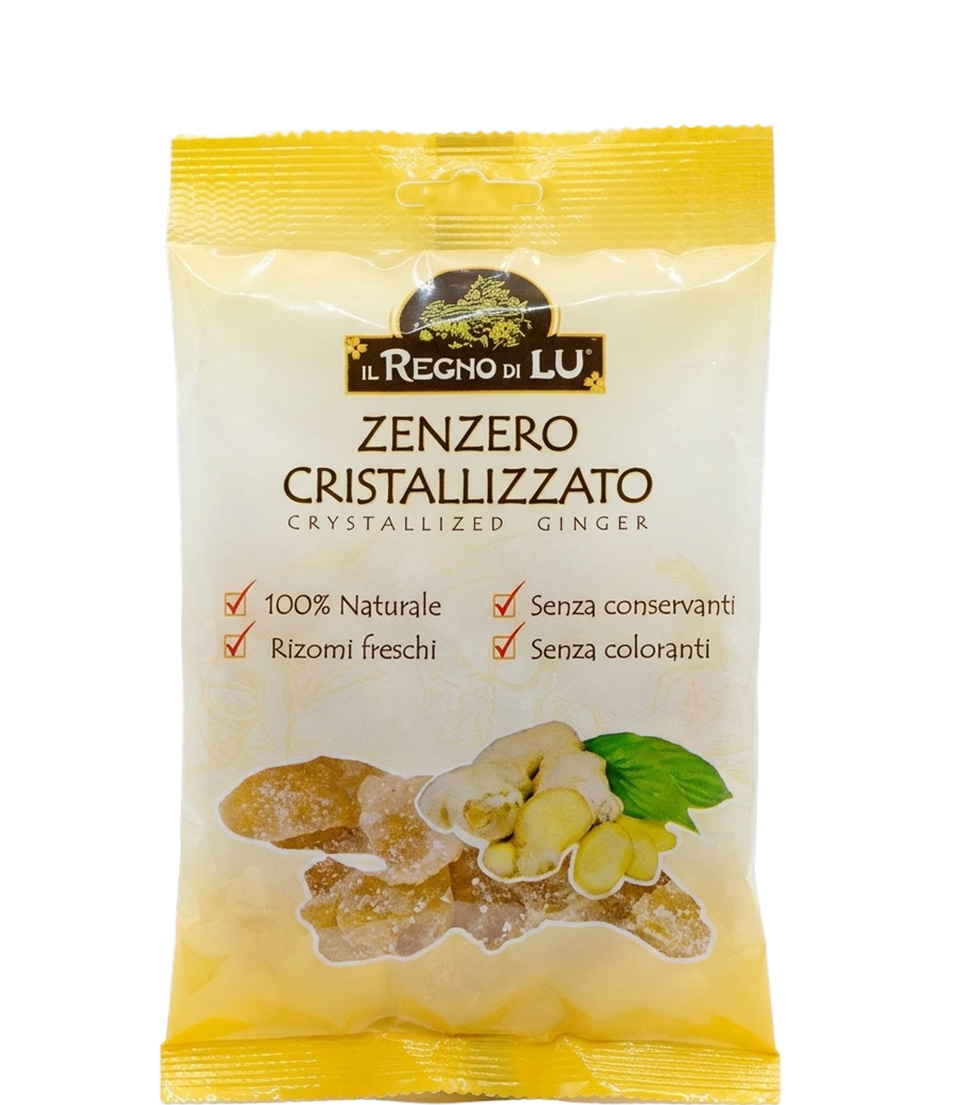
Handy
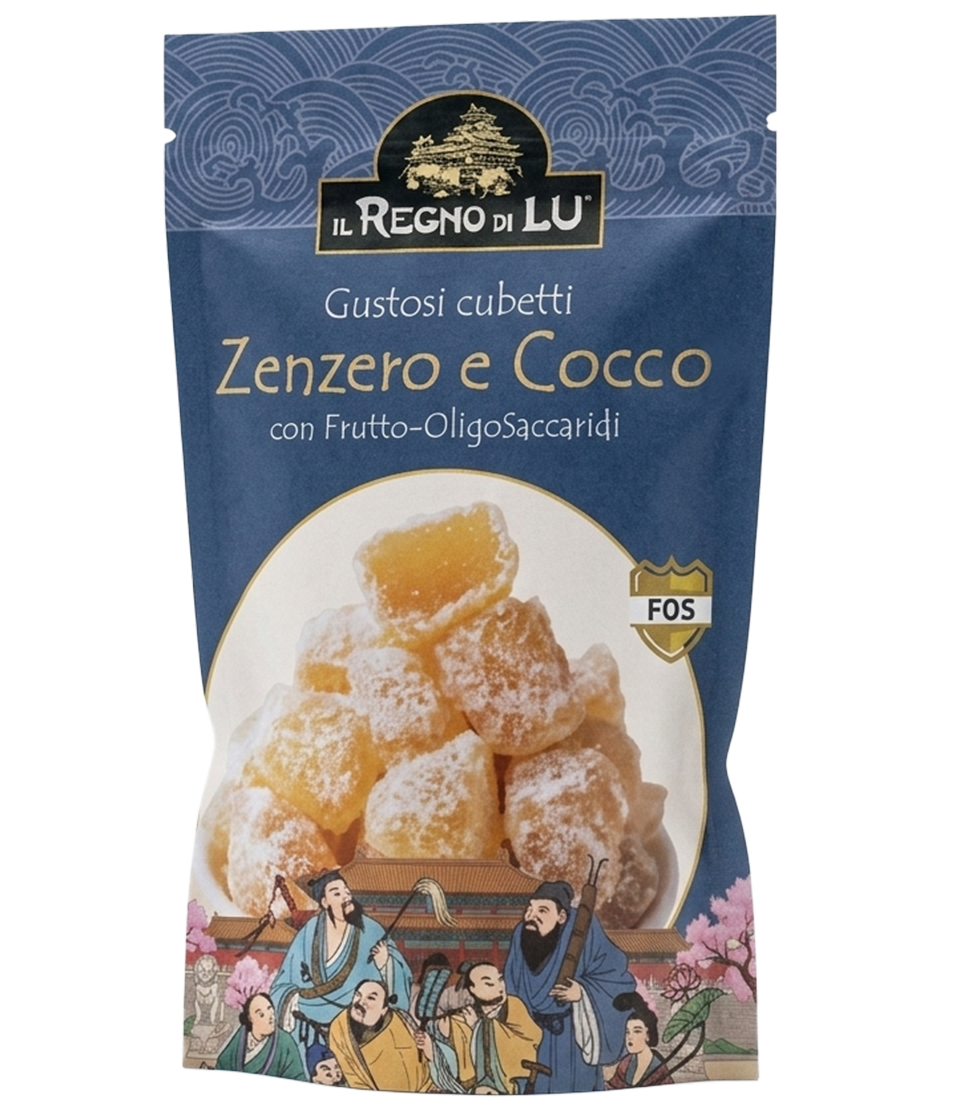
Ginger & Coconut
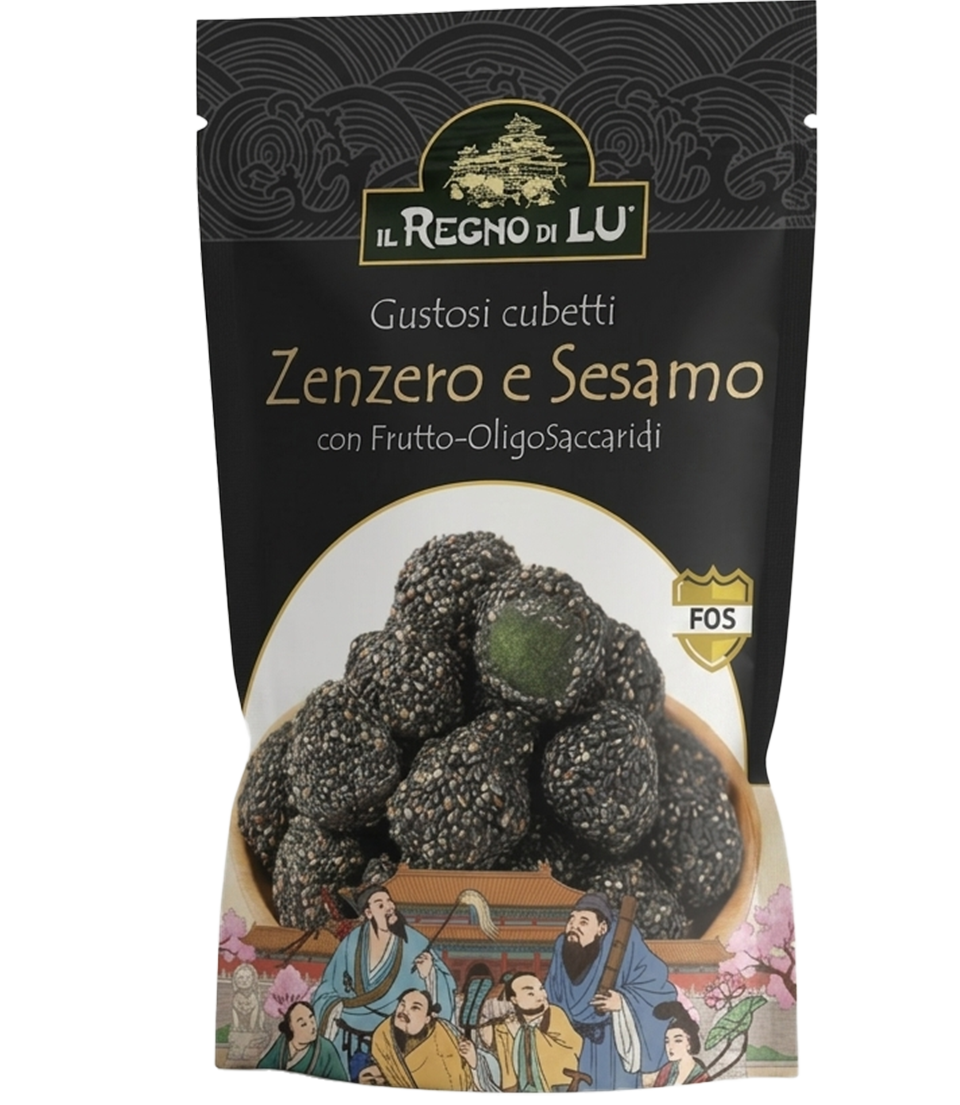
Black
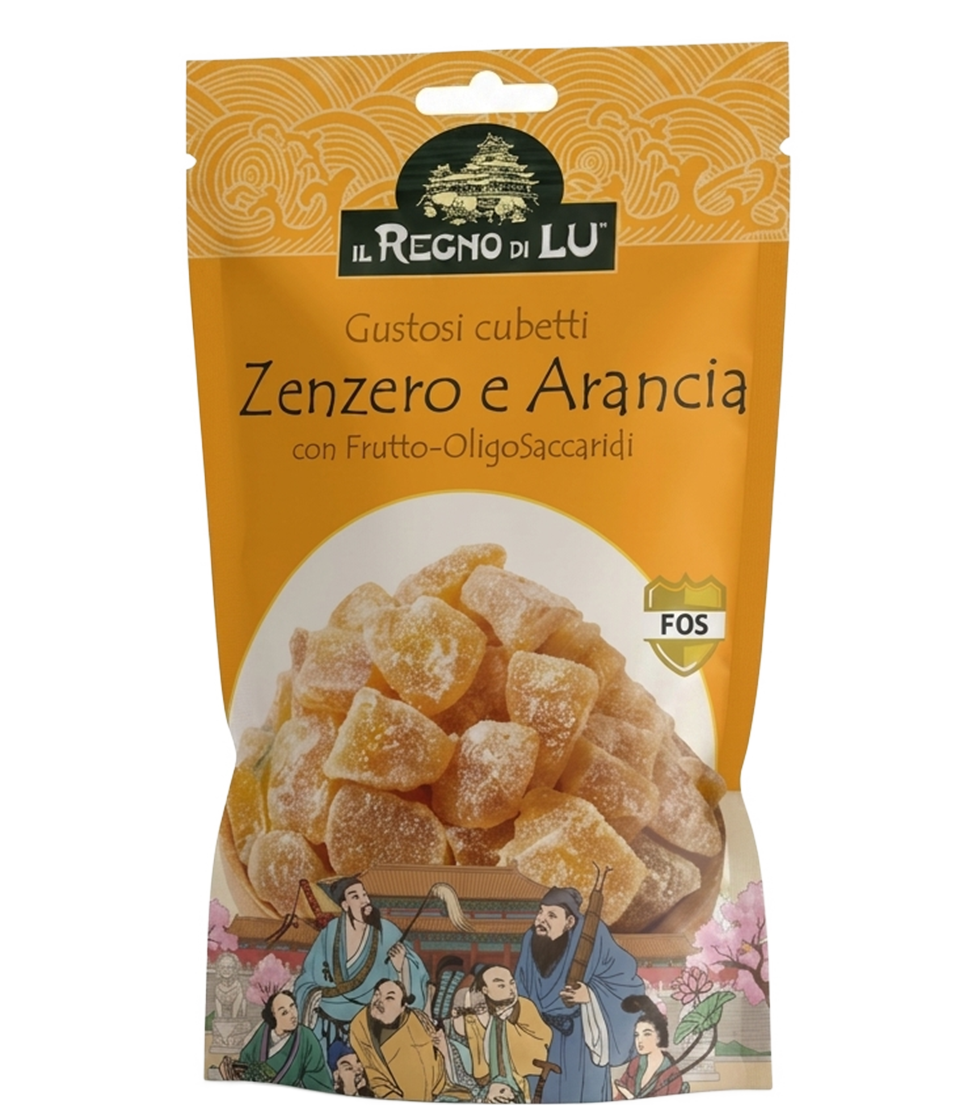
Orange
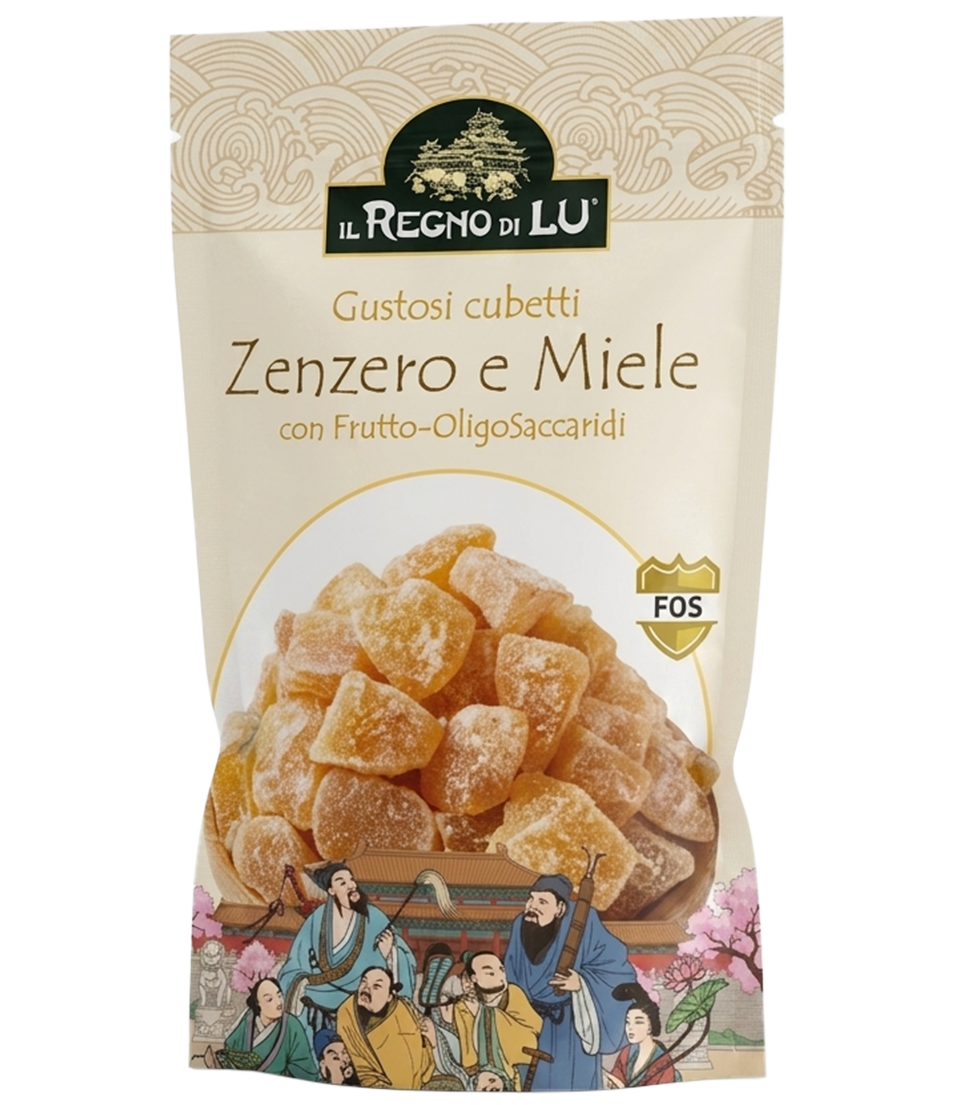
Honey
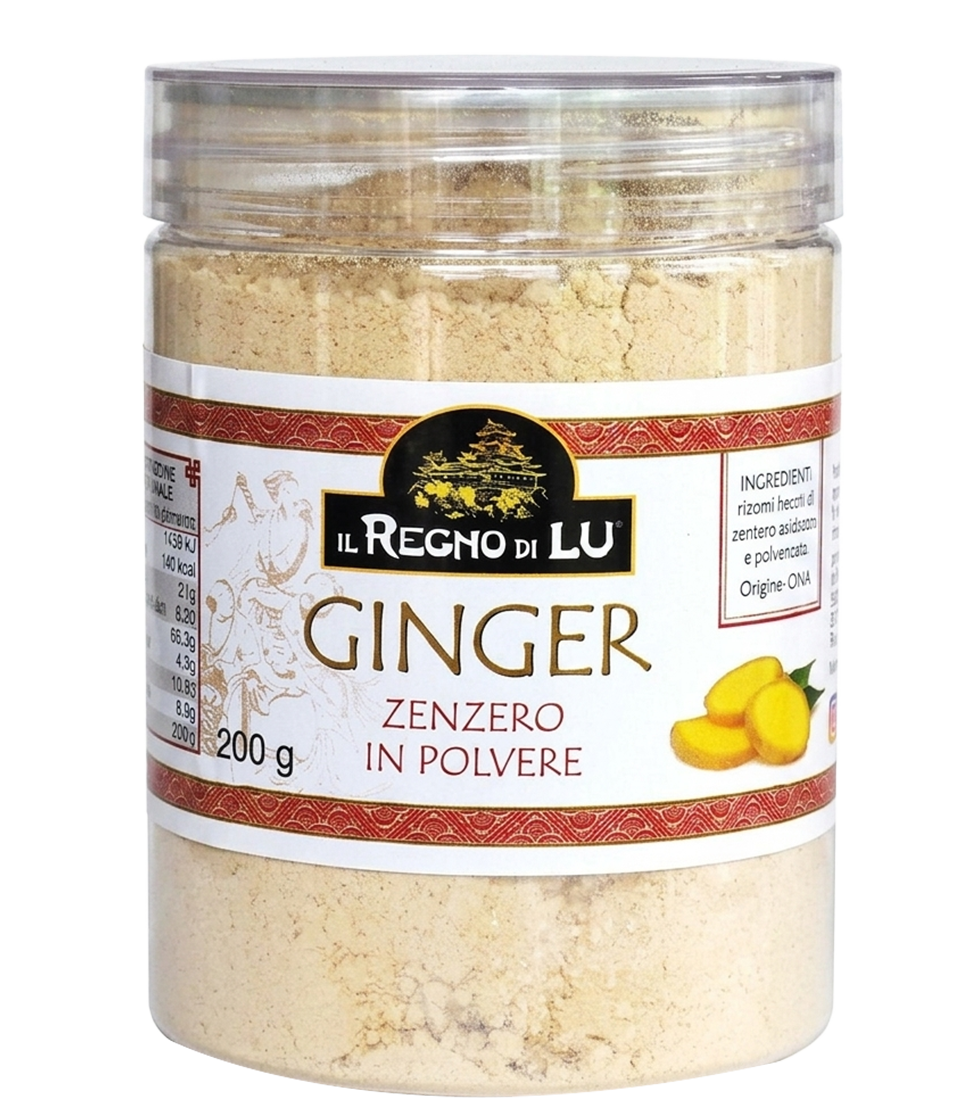
One of a kind
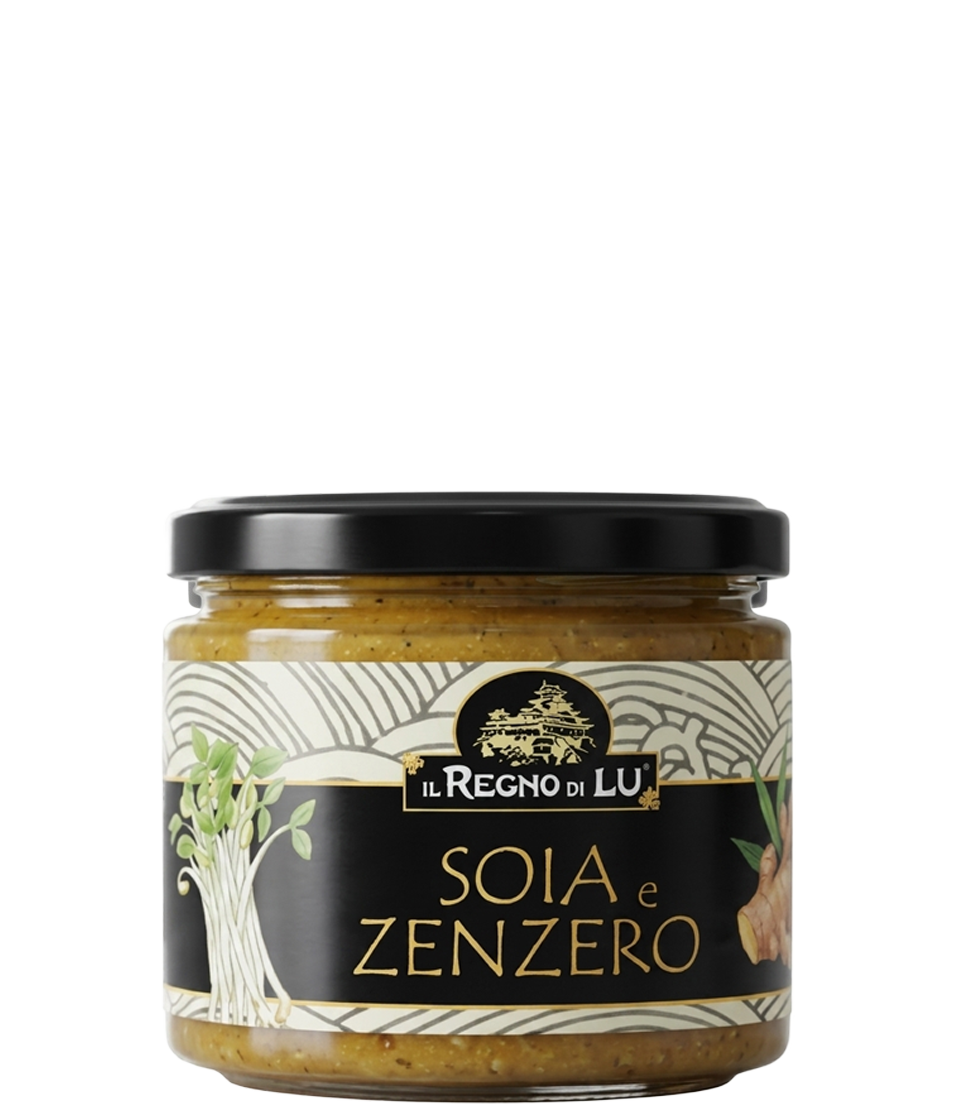
Appetizing
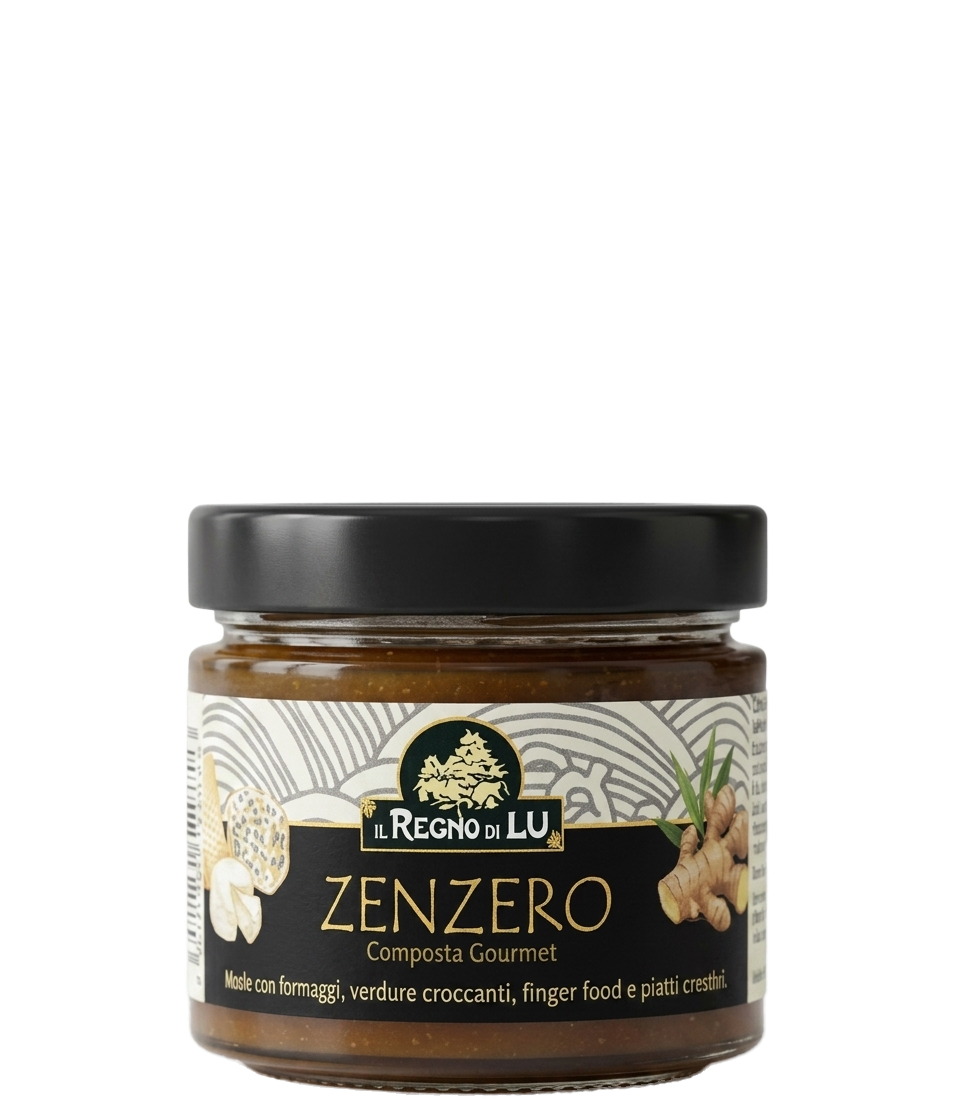
Great Taste
Gourmet

Do you know what F.O.S
stands for?
Fructo-Oligosaccharides (FOS) are vegetable-derived prebiotic fibers, known for their role in promoting health by modulating the gut microbiota. Our new F.O.S. ginger product line is extremely innovative and healthy.
Learn more in our frequently asked questions.
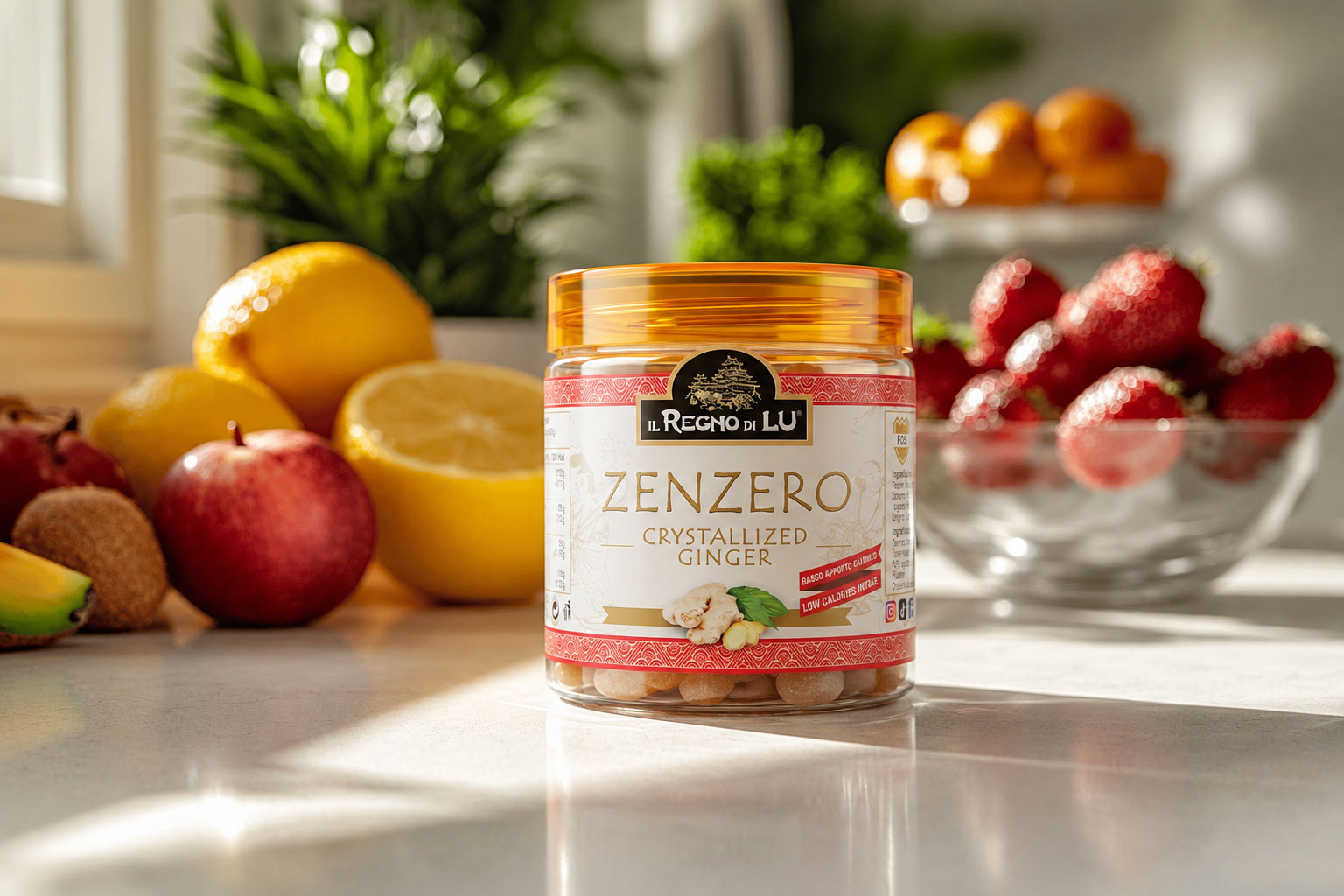
New Classic FOS
FOS
- Cuts
- Cube 8 mm
- Seal
- Twist-off
- Packaging
- Glass jar 200 g
- Benefit
- FOS-enriched ginger with a balanced daily digestive support profile.
- Code EAN
- 8051709000001
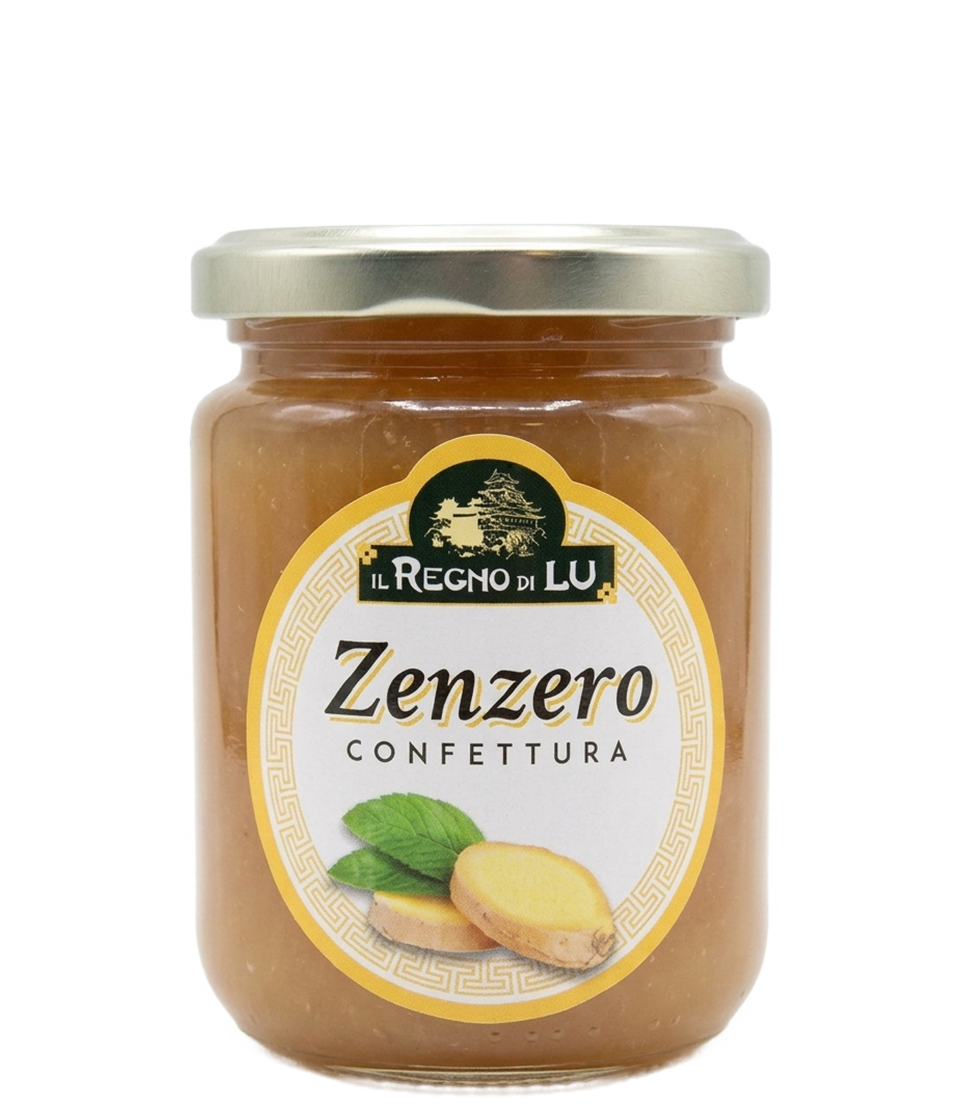
Famous
SNACK
- Cuts
- Puree smooth blend
- Seal
- Twist-off
- Packaging
- Glass jar 180 g
- Benefit
- Soft ginger profile ideal for toppings, yogurt and breakfast bowls.
- Code EAN
- 8051709000002
Bio
SNACK
- Cuts
- Slice 10 mm
- Seal
- Twist-off
- Packaging
- Glass jar 200 g
- Benefit
- Organic ginger selected for a clean and naturally intense taste.
- Code EAN
- 8051709000003
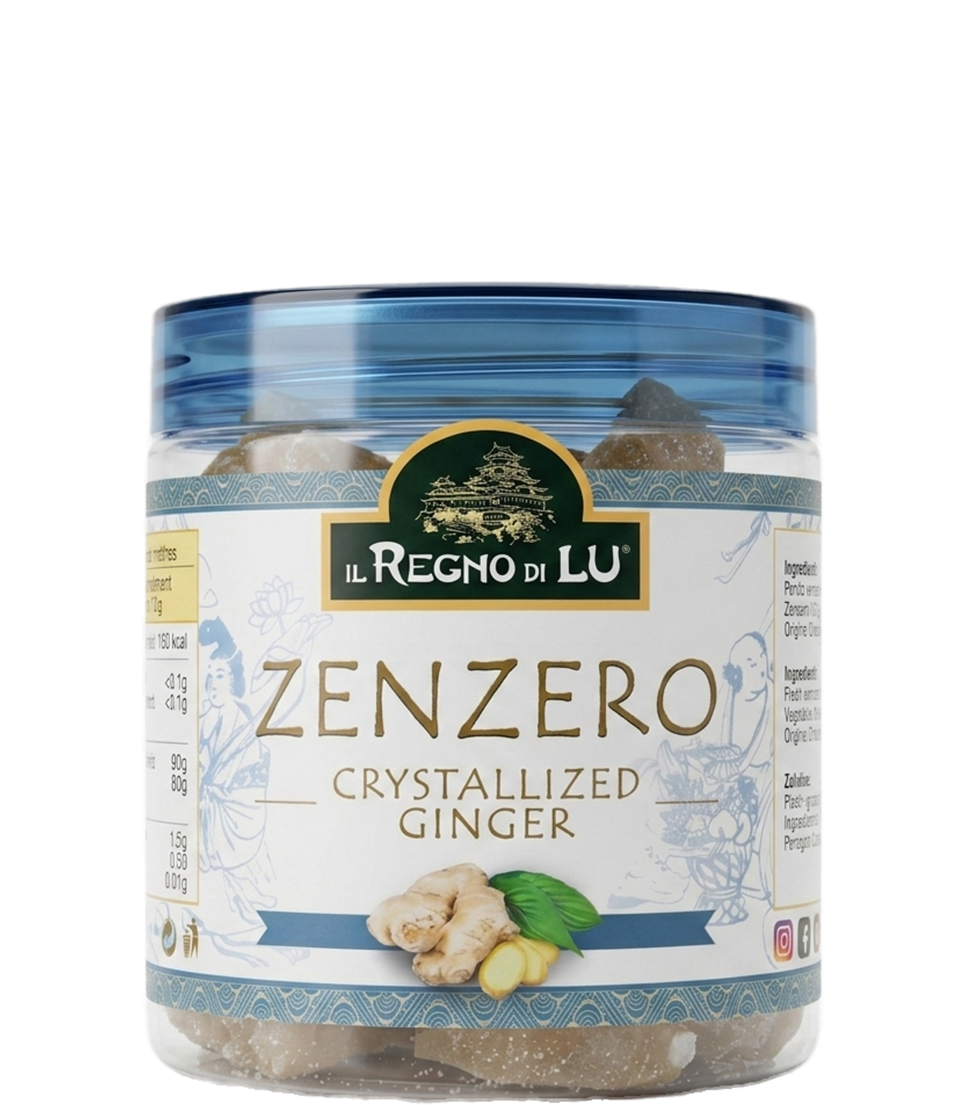
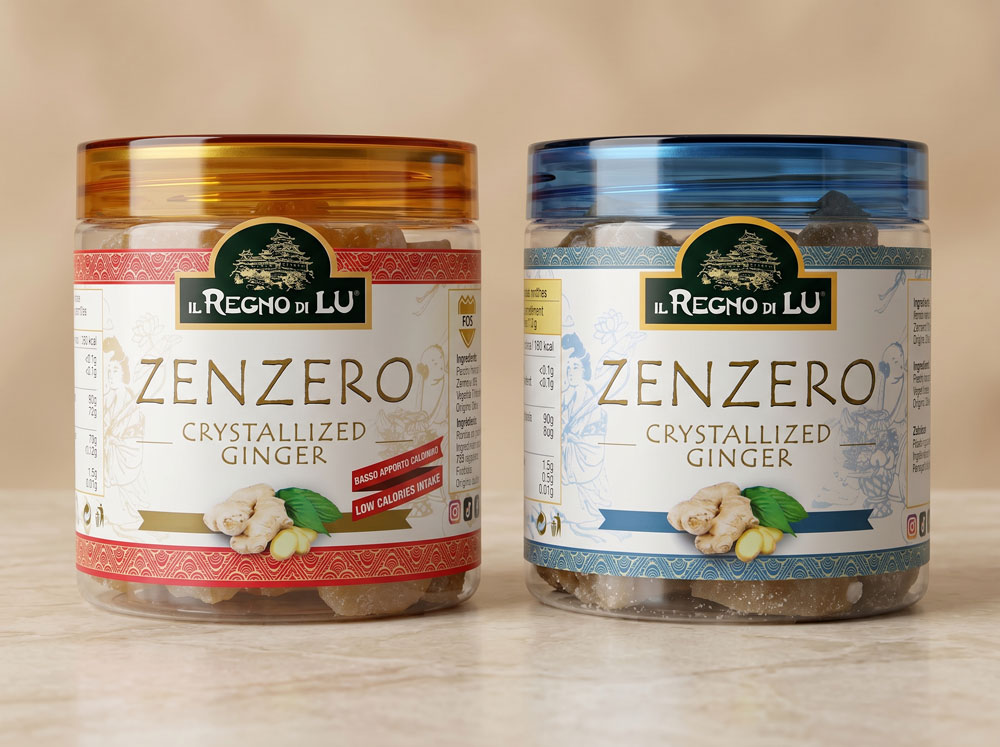
Classic Blue Cap
SNACK
- Cuts
- Cube 6 mm
- Seal
- Blue cap safety seal
- Packaging
- Glass jar 200 g
- Benefit
- Classic crystallized recipe with a vibrant spicy finish.
- Code EAN
- 8051709000004
Classic Yellow Cap
SNACK
- Cuts
- Cube 6 mm
- Seal
- Yellow cap safety seal
- Packaging
- Glass jar 200 g
- Benefit
- Sweet-spicy balance for everyday snacking and pastry use.
- Code EAN
- 8051709000005
Young
SNACK
- Cuts
- Thin strip
- Seal
- Twist-off
- Packaging
- Glass jar 180 g
- Benefit
- Tender young ginger with delicate texture and bright aroma.
- Code EAN
- 8051709000006
Handy
SNACK
- Cuts
- Bite-size cubes
- Seal
- Heat sealed
- Packaging
- Stand-up pouch 100 g
- Benefit
- Portable ginger snack created for active daily routines.
- Code EAN
- 8051709000007
Ginger & Coconut
FOS
- Cuts
- Cubes with flakes
- Seal
- Heat sealed
- Packaging
- Stand-up pouch 100 g
- Benefit
- Exotic coconut notes that soften ginger heat.
- Code EAN
- 8051709000008
Black
FOS
- Cuts
- Snack strips
- Seal
- Zip-lock resealable
- Packaging
- Doypack 120 g
- Benefit
- Strong character blend with persistent spicy depth.
- Code EAN
- 8051709000009
Orange
FOS
- Cuts
- Snack strips
- Seal
- Zip-lock resealable
- Packaging
- Doypack 120 g
- Benefit
- Citrus-forward profile for a fresher and lighter bite.
- Code EAN
- 8051709000010
Honey
FOS
- Cuts
- Snack strips
- Seal
- Zip-lock resealable
- Packaging
- Doypack 120 g
- Benefit
- Honey-coated ginger for a rounded sweet-spicy taste.
- Code EAN
- 8051709000011
One of a kind
POWDER
- Cuts
- Fine powder 80 mesh
- Seal
- Heat sealed
- Packaging
- Doypack 150 g
- Benefit
- Versatile powder for drinks, recipes and savory dishes.
- Code EAN
- 8051709000012
Appetizing
PUREE
- Cuts
- Fine powder 100 mesh
- Seal
- Heat sealed
- Packaging
- Doypack 150 g
- Benefit
- Ideal for seasoning and warm beverages with intense aroma.
- Code EAN
- 8051709000013
Great Taste
FOS
- Cuts
- Fine powder 100 mesh
- Seal
- Heat sealed
- Benefit
- Aromatic blend designed for premium culinary preparations.
- Code EAN
- 8051709000014
Gourmet
PUREE
- Cuts
- Fine powder 120 mesh
- Seal
- Heat sealed
- Packaging
- Doypack 150 g
- Benefit
- Refined powder profile for pastry, tea and signature recipes.
- Code EAN
- 8051709000015
Are you interested in our products?
Contact us via the form to get more information about our products. We will reply to you as soon as possible.
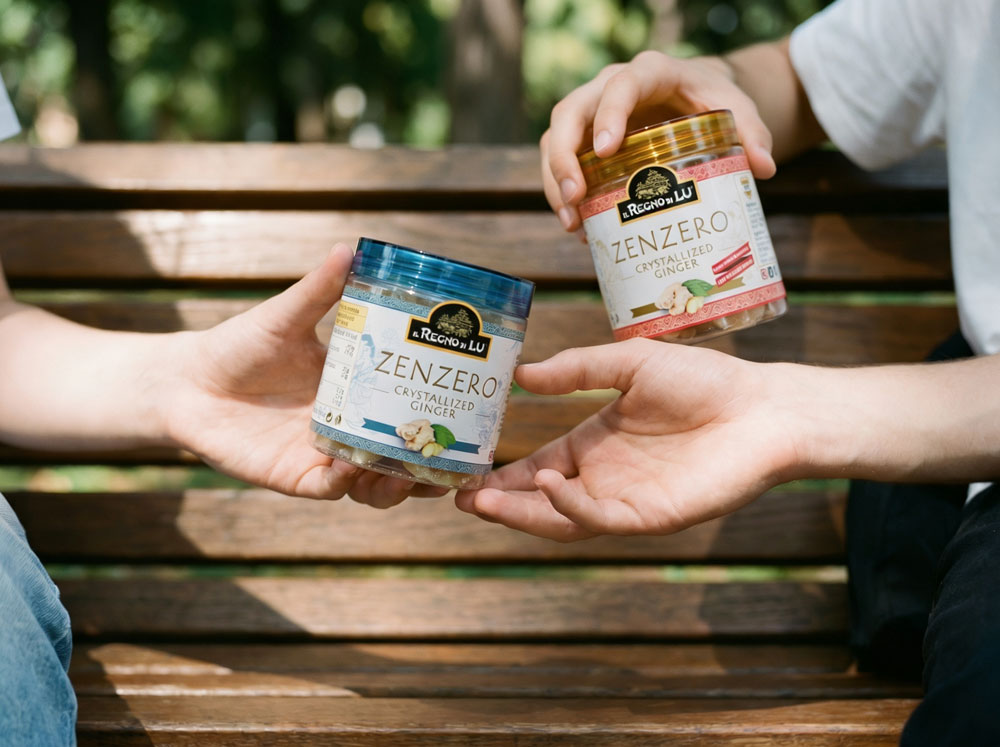
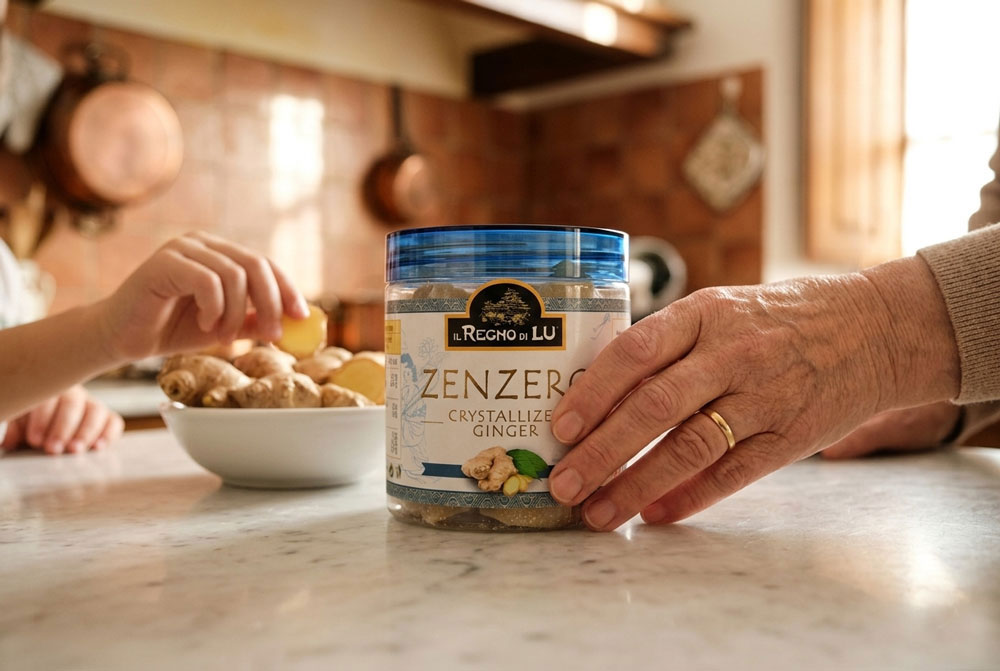
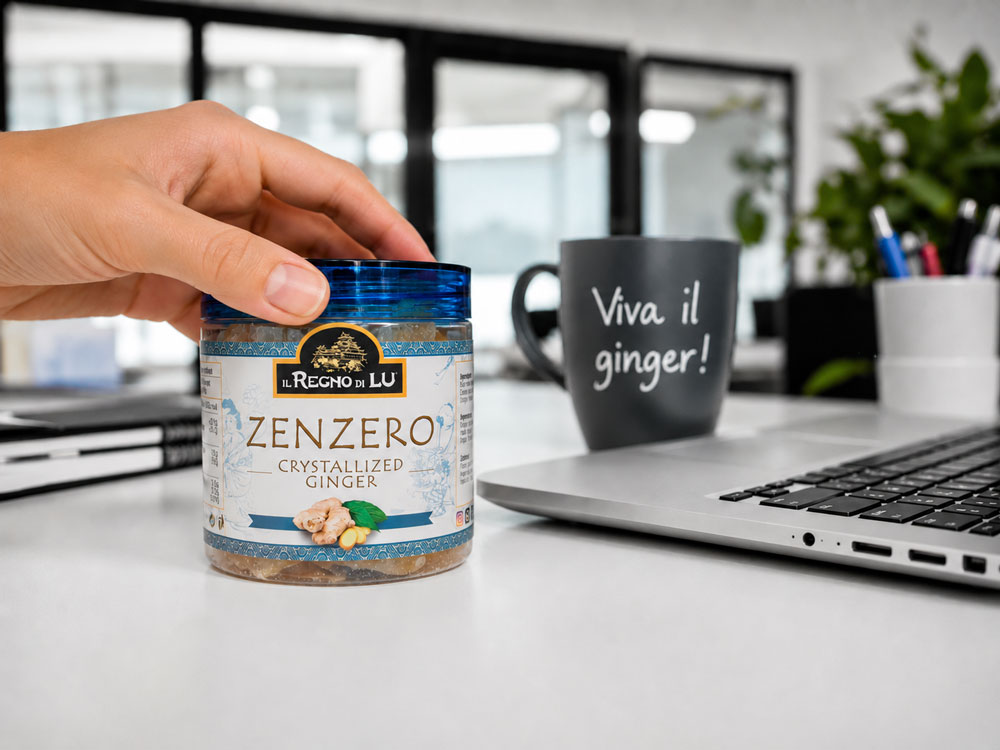
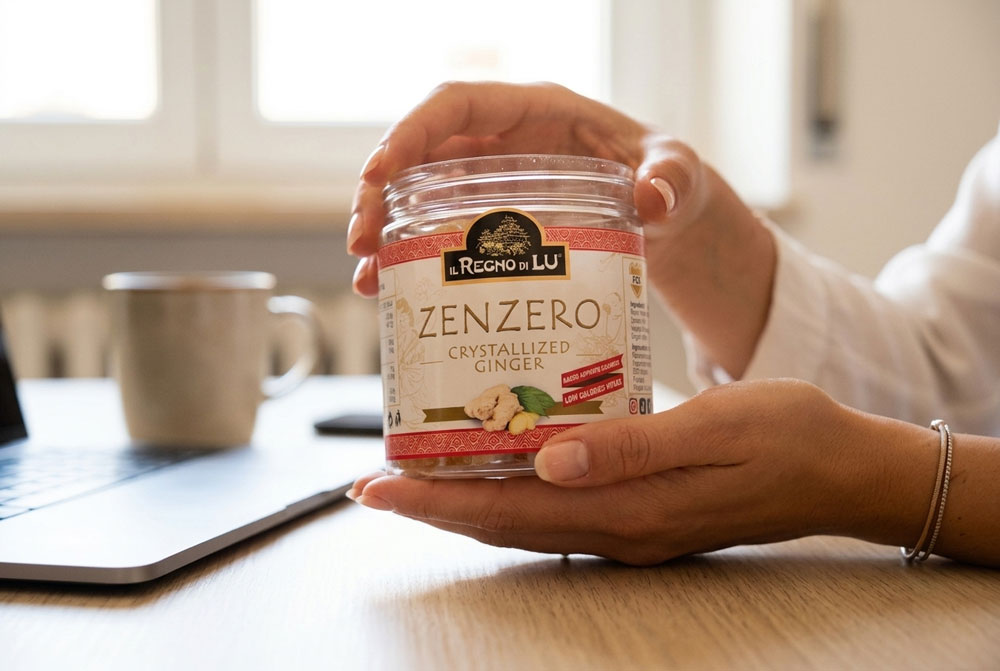
Ginger Moments
Frequently asked questions
Ginger is a perennial plant whose rhizomes (Zingiber officinale root) are consumed.
In Chinese herbal medicine, ginger is popular because of its proven beneficial effects.
The active ingredient is GINGEROL, together with SHOGAOLI and ZINGERONE, sesquiterpenes typical of Zingiber, which are transformed by drying or cooking GINGEROL.
In all states, the product retains the beneficial characteristics that distinguish the alkaloid. Ginger does not lose its active ingredients when heated, which is a rare characteristic in nature. For thousands of years, it has been renowned for its contributions to human nutrition and health.
In the modern era, its effects have been scientifically proven and its uses established in the world pharmacopoeia.
Its powers: antioxidant, antimicrobial, anti-inflammatory, anti-apoptotic (ability to delay the senescence of cell membranes), and anti-allergic, have been proven in vivo and in vitro, and research has identified it as one of the most widely used active ingredients.
The ginger crystallization process works by first softening fresh ginger through boiling, then slowly cooking it in a concentrated sugar syrup so the liquid penetrates the fibers, and finally drying the pieces so the dissolved sugar recrystallizes on the surface as a dry, sparkly coating.
The basic steps
Prep and pre-cook the ginger
Peel and slice fresh ginger (often ~3 mm / ⅛ inch thick) so pieces cook evenly.[
Boil or simmer the slices in water until tender; this softens the fibrous tissue and reduces harsh bite
Candy the ginger in syrup
The tender slices are simmered in a sugar–water syrup (simple syrup).
As the mixture cooks, water evaporates and the syrup becomes more concentrated; sugar diffuses into the ginger’s cells, replacing some of the water and giving the “candied” texture.
Many recipes cook until the syrup is thick and almost evaporated, or to a specific temperature (around 107 °C / 225 °F), which indicates a very concentrated syrup.
Drain and dry
The ginger is removed from the syrup and spread on a rack to cool and partially dry until tacky but not wet.
At this stage it’s essentially “candied ginger” (ginger preserved in or coated by syrup).
Crystallize the surface
The slightly dried pieces are tossed or rolled in granulated sugar.
As they continue to air-dry, residual surface moisture dissolves a thin layer of that sugar, then re-evaporates, leaving behind a fine layer of solid sugar crystals—this is the “crystallized” finish.
The result is a sweet, chewy interior with a dry, sugary exterior.
What’s happening on a physical level
The crystallization process consists of candying at a controlled temperature.
Osmosis reduces the water content of the rhizomes, while the sugar content is gradually increased, remaining at levels that do not exceed the weight of the product itself. Ginger does not require high amounts of sugar to promote preservation, as it does not age due to its chemical structure. Water loss is limited, as is the consequent weight loss resulting from the process.
In products from the “Regno di Lu” range, no preservatives are used or listed on the label; the only ingredients are fresh ginger and sugar, when used.
“Il Regno di Lu” stands out from many other crystallized ginger products mainly in three respects: the quality of the raw material selected, the controlled-temperature candying process, and the “uncoated” formulation, with FOS—plant-based fructooligosaccharides—used in certain preparations.
Origin and raw materials
The brand uses ginger rhizomes sourced from renowned growing regions: Shandong, historically known as the “ancient Kingdom of Lu,” and Fujian, a region known for its outstanding organoleptic qualities.
This positions the product as a crystallized ginger product of specific geographic origin.
Positioning compared with other crystallized ginger products
Compared with many generic crystallized ginger products, “Il Regno di Lu” is presented as:
- a product made primarily from a single main ingredient—ginger and sugar, sometimes glucose—without other excipients;
- a product with an explicit geographic origin—Shandong and Fujian—and a brand name that directly evokes that tradition;
- a product formulated for direct consumption, such as a snack or an energy supplement;
- a product distinguished by the use of plant-based fructooligosaccharides (FOS).
Fresh ginger rhizome is at the heart of this product because it preserves the characteristic flavor, aroma, and bioactive profile that define “real” ginger, while still allowing the candying process to create a stable, ready‑to‑eat format.
Flavor and aroma integrity
Fresh rhizomes contain volatile oils and gingerol, the compound responsible for ginger’s sharp, peppery bite and bright aroma..
Texture and eating experience
Using freshly sliced rhizomes creates a product with visible, substantial fibers, where the active compounds are found.
The candying process reduces the water content from approximately 60% in the fresh product to around 20% in the crystallized product, concentrating the flavor while preserving a chewy texture suitable for snacking.
This makes the product suitable for consumption as is.
In summary, the transformation of the fresh ginger rhizome is central, as it provides an authentic sensory profile through a crystallization process that preserves these qualities in a practical and stable format.
“Il Regno di Lu” ginger products (crystallized ginger, with or without glucose/FOS) can be used across several practical categories, all aligned with the brand’s positioning as a snackable, functional, and culinary ingredient.
1. Snacking and on‑the‑go energy
Eaten directly as a sweet‑spicy snack between meals or during travel.
Added to trail mix, granola, or mixed nuts for a zesty, energizing boost.
2. Beverages and functional drinks
Steeped in hot water to make ginger tea or added to herbal/green tea blends.
Used to prepare ginger‑infused syrups for cocktails, mocktails, iced tea, or “ginger fizz”‑style drinks (the brand itself shares cocktail and fizz recipes on its blog).
Chopped into smoothies for a spicy kick, especially in tropical or fruit‑based blends.
3. Baking and desserts
Incorporated into cookies, cakes, muffins, gingerbread, banana bread, scones, and fruit breads.
Used in rice pudding, crumbles, fruit salads, and as a topping for ice cream or brownies
Dipped in melted chocolate for an elegant after‑dinner treat.
4. Savory cooking and gourmet touches
Chopped into stir‑fries, marinades, sauces, and glazes for chicken, fish, or vegetables, adding sweet‑spicy depth.
Used in rice dishes, salads, and chutneys/cranberry sauces to lift flavor with a zesty note.
5. Wellness and digestive support
Consumed in small amounts to help soothe the stomach, reduce nausea, and support digestion, especially while traveling or after meals.
Positioned as a functional food that combines pleasure (snack) with a light wellness angle (digestive comfort, warming effect).
Combining ginger with FOS (fructooligosaccharides) creates a synbiotic-type formula in which ginger supports digestive function and comfort, while FOS act as prebiotic “fuel” for beneficial gut bacteria.
What ginger contributes
Ginger—through gingerols, shogaols, and related compounds—helps stimulate digestive motility, supports enzymatic activity, and may soothe nausea and gastric discomfort.
Some research suggests that ginger may modulate intestinal motility, increasing beneficial bacteria and reducing certain pathogenic species. It may also strengthen proteins in the intestinal barrier.
What FOS contribute
FOS are prebiotic fibers that reach the colon intact and are selectively fermented by beneficial bacteria such as Bifidobacterium and Lactobacillus.
This fermentation produces short-chain fatty acids (SCFAs), such as butyrate, which support the intestinal lining, reduce inflammation, and improve the overall function of the intestinal barrier.
Regular FOS intake is associated with improved nutrient absorption, reduced constipation, and a more balanced microbial ecosystem.
Why combine them?
Complementary actions: ginger acts primarily on motility, nausea, and anti-inflammatory tone, while FOS act on microbiota composition and intestinal barrier health. Together, they address both symptoms—promoting comfort—and the underlying intestinal ecology—supporting balance.
Potential synergy: ginger’s bioactive compounds may create a more favorable environment for beneficial microbes, while FOS provide these microbes with the substrate they need to thrive. This may increase SCFA production and strengthen intestinal barrier integrity.
In summary, ginger + FOS are used to provide dual support for digestive function and nutrient absorption: ginger for immediate comfort and functional support, and FOS for the long-term balance of the gut microbiota.
The main benefits of F.O.S. (Fructo‑Oligosaccharides) come from their role as prebiotics: non‑digestible fibers that selectively feed the “good” bacteria in the gut, with downstream effects on digestion, metabolism, and overall health.
Main benefits of F.O.S.
1. Support for the gut microbiota (bifidogenic effect)
FOS selectively stimulate the growth of beneficial bacteria, particularly Bifidobacterium and Lactobacillus, in the colon.
This contributes to a more balanced microbial ecosystem, with a lower proportion of potentially pathogenic or “putrefactive” bacteria.
2. Improved bowel regularity and digestive comfort
Regular intake of FOS (around 3–15 g/day) is associated with:
increased frequency of bowel movements;
softer stools that are easier to pass;
reduced constipation and, in some cases, reduced diarrhea.
Some studies also report a possible benefit in managing intestinal inflammation and discomfort linked to microbiota imbalances.
3. Production of short‑chain fatty acids (SCFAs)
Gut bacteria ferment FOS, producing short‑chain fatty acids (butyrate, acetate, propionate).
SCFAs:
support the integrity of the intestinal barrier;
have anti‑inflammatory activity;
support energy metabolism and immune health.
4. Metabolic and cardiovascular benefits
FOS can help:
improve lipid metabolism, reducing total cholesterol, LDL, and triglycerides (especially in people with metabolic alterations).
support better glycemic control and increased insulin sensitivity, particularly in people with diabetes or pre‑diabetes.
They have a low glycemic index and do not directly raise blood sugar.
5. Mineral absorption and bone health
FOS improve intestinal absorption of minerals such as calcium, magnesium, and zinc.
This can contribute to better bone health and reduce the long‑term risk of osteoporosis.
6. Immune support and intestinal protection
A healthier microbiota, supported by FOS, is linked to:
a more effective immune response;
greater resistance to certain intestinal infections;
a possible reduction in the risk of some chronic diseases (cardiovascular diseases, some cancers, autoimmune diseases), thanks to the combined effect on microbiota, inflammation, and metabolism.
In short, F.O.S. act as “fuel” for beneficial bacteria, with benefits ranging from bowel regularity and digestive comfort to support for metabolism, cardiovascular health, bones, and the immune system.
Yes. The “Il Regno di Lu” crystallized ginger products are marketed as vegan.
The ingredient list is essentially fresh ginger + sugar ( and/or FOS), no animal‑derived ingredients at all.
Several retailers explicitly label the product as “Bio e vegano” (organic and vegan), confirming its suitability for a vegan diet.
In the best supermarkets in your area, or by ordering the product directly from us.
Would you like to buy it from us? Or are you not sure where to find it in your area?
Contact us.
The scientific evidence related to our product has been compiled in a document from MDPI Basel CH. Should you be interested, you may request the documentation by our contact form.
For information:
Address:
Il Regno di LU
Via Flavio Busonera, 56
35031 - Abano Terme (PD)
Via Flavio Busonera, 56
35031 - Abano Terme (PD)
Tel:
+39 349 50.81.765